Research
Research activities in the NEON Lab are highly interdisciplinary and fall under three interconnected themes, each focused on understanding neural dynamics across key functional and clinical contexts.

Theme 1: Sleep and Memory Processing
Sleep plays a critical role in memory consolidation, yet the neural mechanisms that support this process are poorly understood. We use high-density EEG and advanced analytical techniques to investigate how patterns of brain activity across different sleep stages support the offline processing of memories in the human brain. Our aim is to deepen our understanding of how sleep supports everyday cognitive function, with the long-term goal of informing treatment strategies for neurological conditions associated with sleep disturbances and memory impairment.

Theme 2: Sleep-Epilepsy Interactions
Sleep and epilepsy are closely linked in a complex, bidirectional relationship. Certain sleep stages can either promote or suppress epileptic activity, while seizures and interictal discharges can disrupt normal sleep architecture. Our aim is to uncover the neural dynamics that underlie these interactions using invasive and non-invasive EEG. We are also interested in exploring how sleep might be targeted to improve seizure control and enhance clinical outcomes for people with epilepsy.
Theme 3: Epilepsy and the Ageing Brain
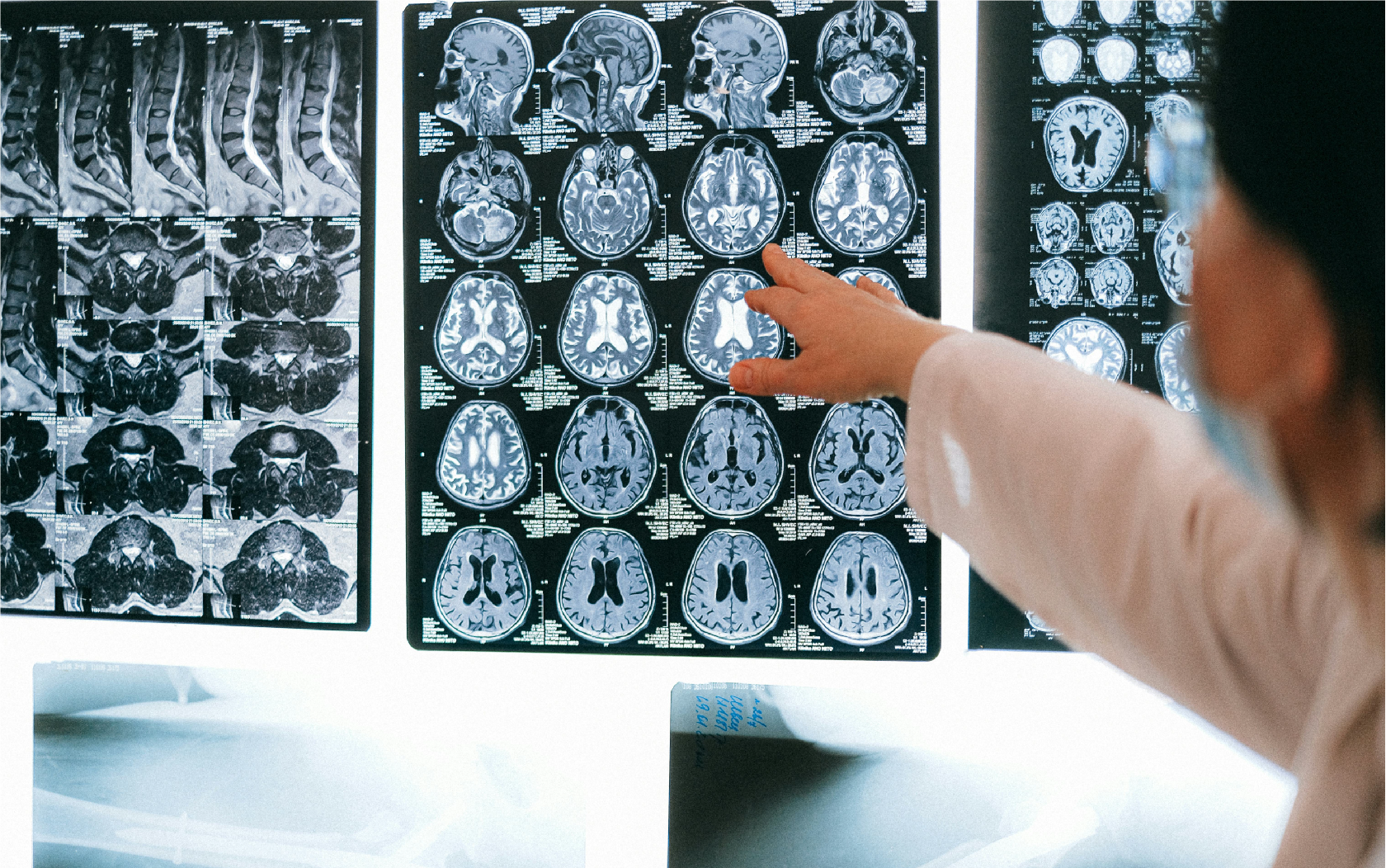
Emerging evidence points to important links between epilepsy and dementia, an area of growing concern in our ageing population. We are interested in characterising brain network dysfunction in epilepsy and cognitive decline in older adults, with particular focus on late-onset epilepsy and Alzheimer’s disease. We aim to identify neurophysiological signatures for these conditions and ultimately develop non-invasive biomarkers to support earlier diagnosis and more targeted therapeutic interventions.