Click here to look at the studies we are currently recruiting for.
What will happen at our visit?
.
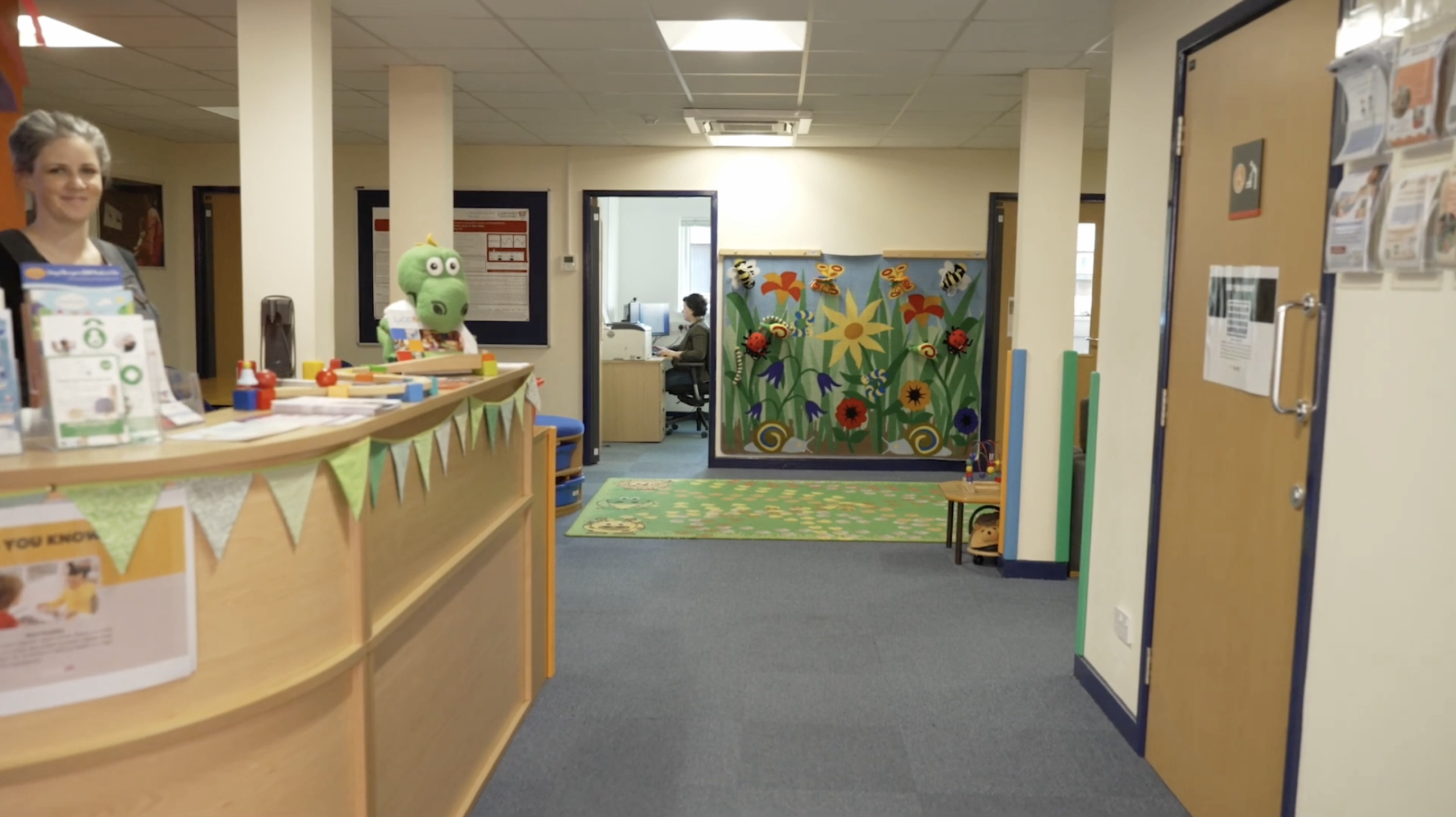
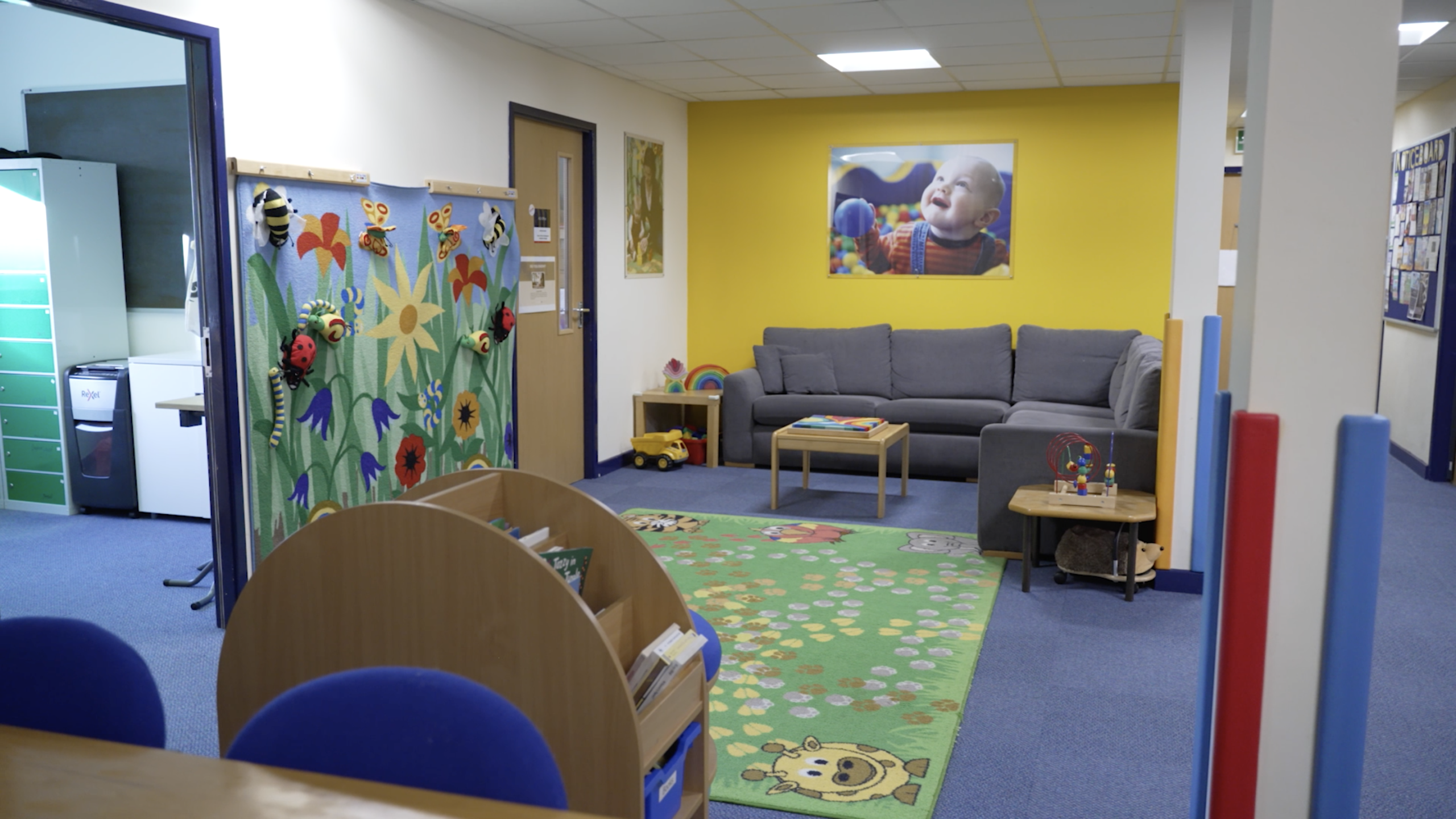
Our child-friendly PELiCAN testing rooms are at Lancaster University’s Infant and Child Development Lab. When you arrive, a friendly member of our research team will meet you at the door and take you to a play area. We will explain what will happen during your visit and answer any questions you may have. There will be hot and cold drinks, and your child will have time to play and get used to the lab.
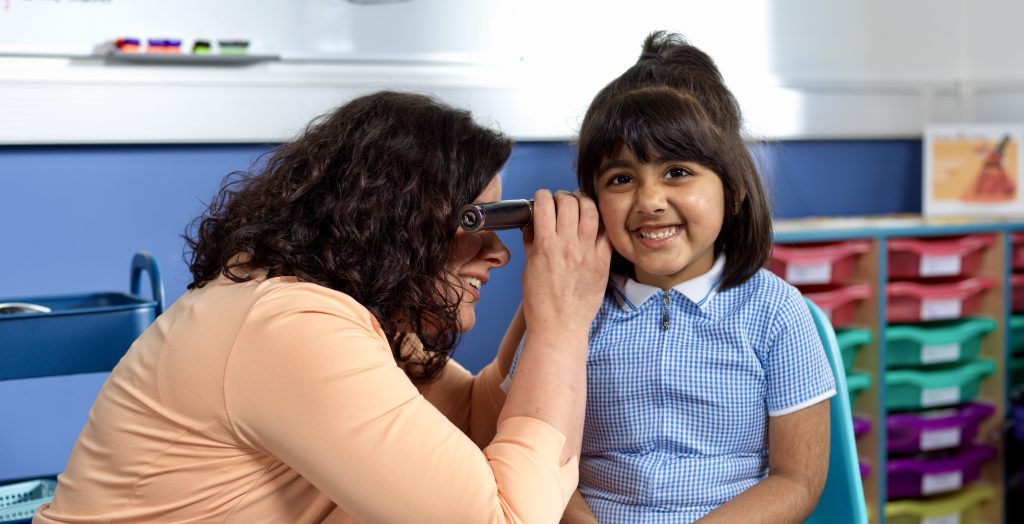
When everyone feels ready, the visit will begin in our special soundproof room. We will check your child’s hearing and health of their ears. Some of the research will take place in this room. After we have finished in this room, we will move to other rooms nearby. A member of our research team will be with you the whole time. We hope you and your child enjoy learning about hearing and listening with us!
Have a look for yourself here!
What kind of equipment do we use?
Eye tracking
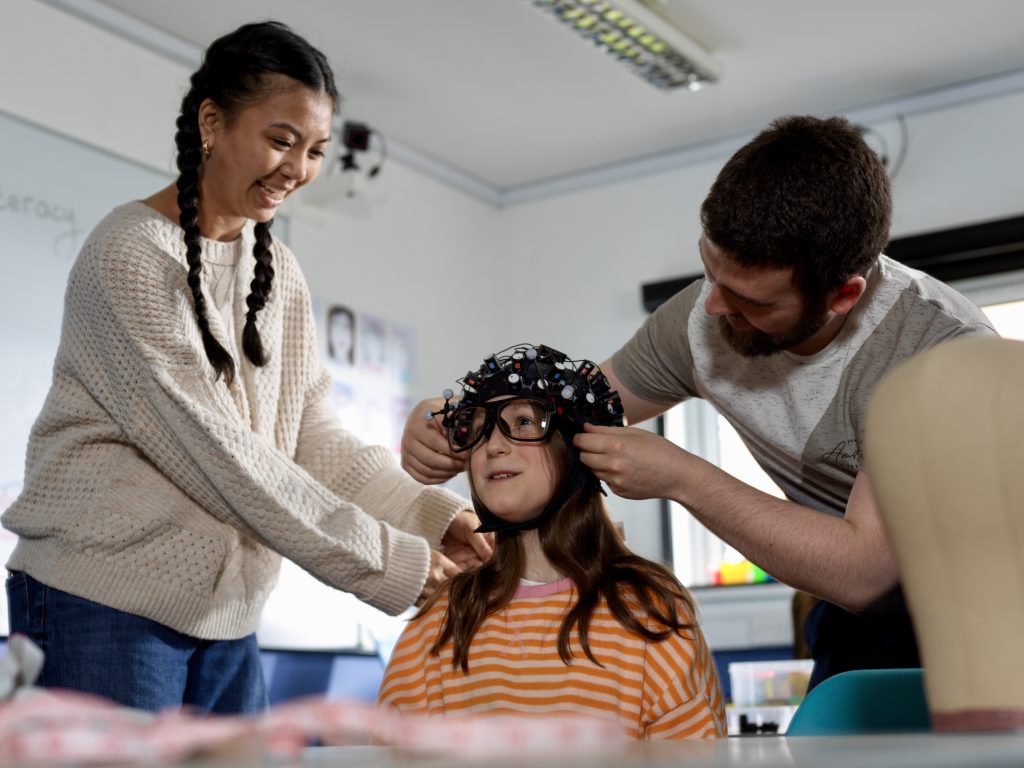
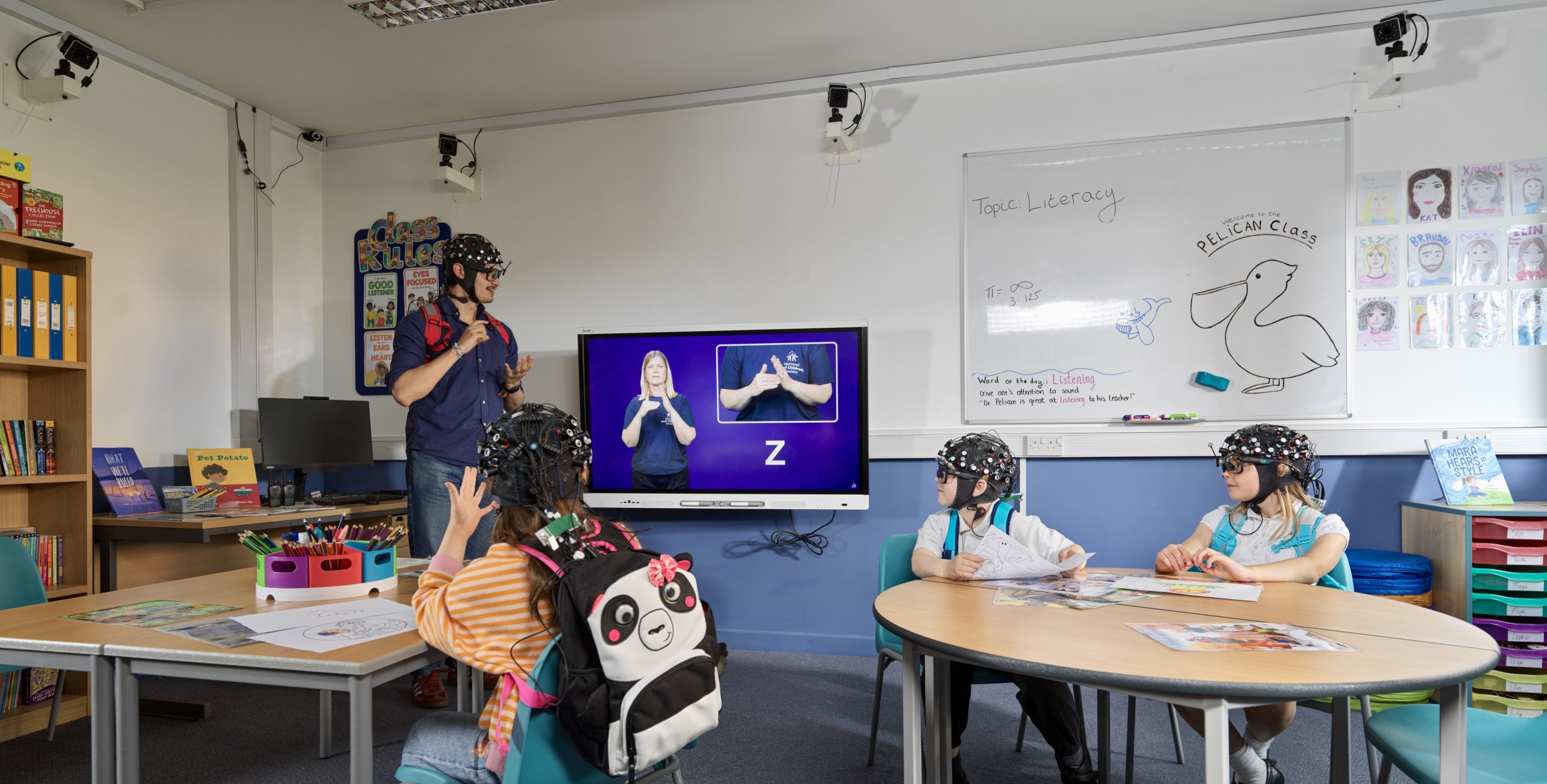
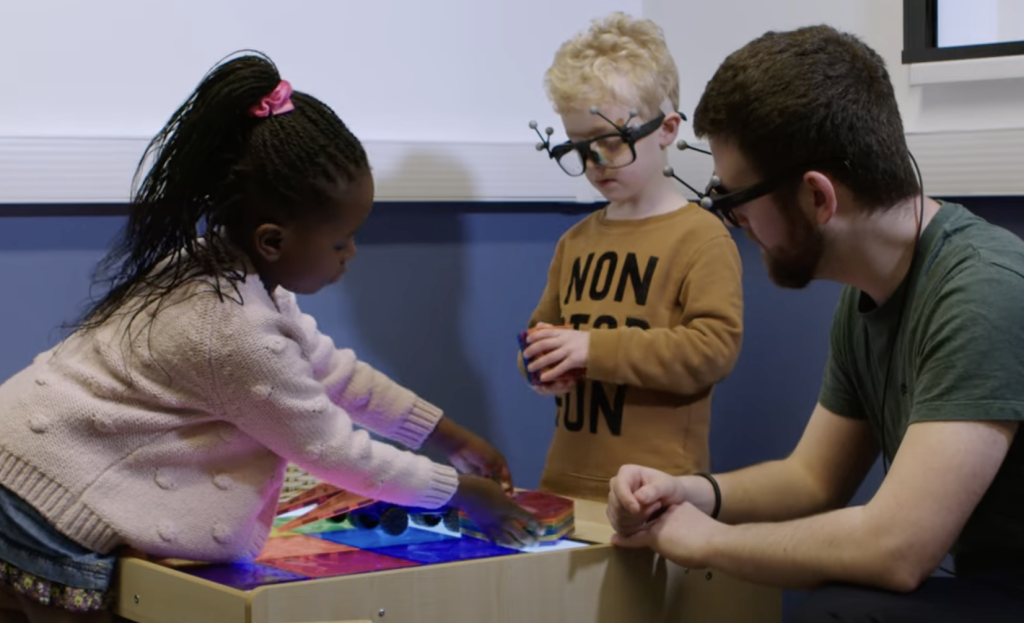
These are special glasses that track where your child is looking. This helps us understand where children look when they are listening to their teacher and classmates. If your child wears prescription glasses, we can match their prescription as close as possible.
Motion capture
This technology is part of our eye tracking glasses to track your child’s head and body movements. This helps us learn about how they communicate with gesture.
Near-infrared spectroscopy (NIRS)
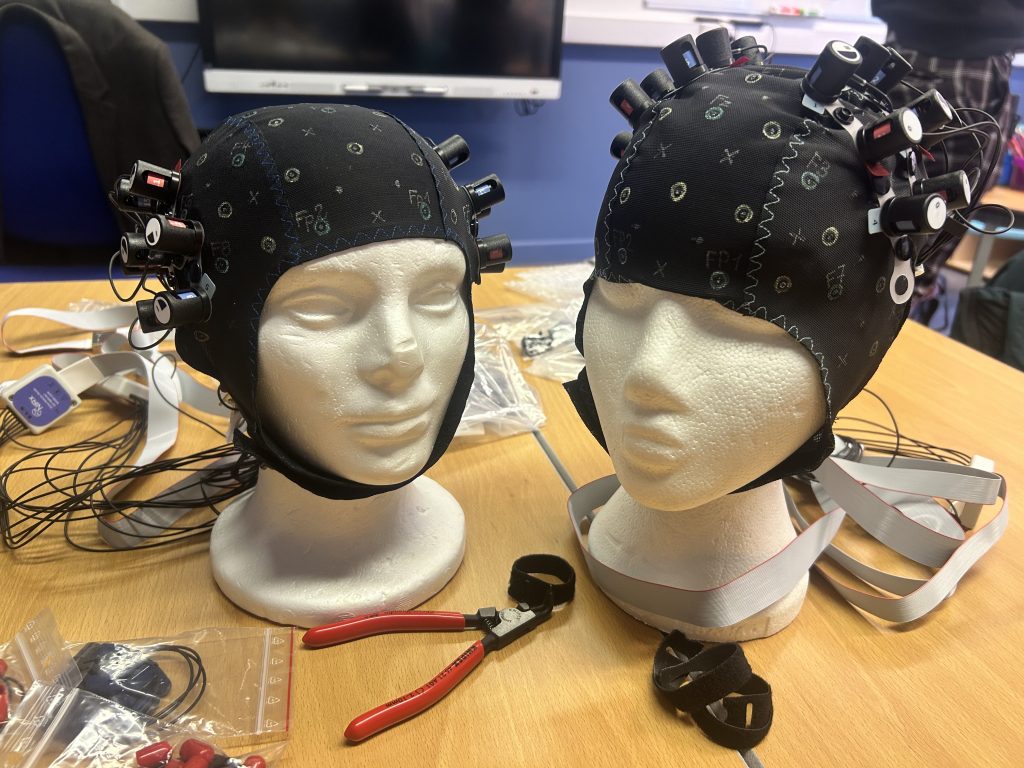
Your child will wear a soft, comfortable cap that uses near-infrared light to safely and effortlessly measure brain activity. Nothing goes into the head or body. NIRS helps us understand how the brain works when your child listens.
Microphones
A microphone will be placed on your child’s neck using a soft, skin-safe pad. This will allow us to do voice recordings during the tasks.
Virtual reality (VR)
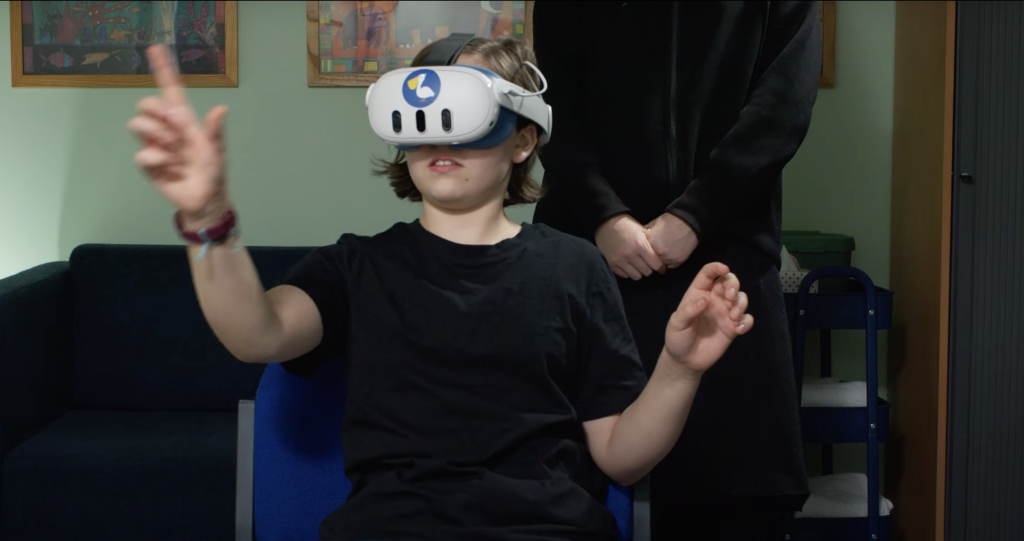
Allows your child to explore computer-generated environments using a special headset. It can feel a bit like stepping into a video game or animated world. In our study, VR is used to help create a fun and engaging setting while we observe how your child works out where sounds are coming from. The experience is safe, and your child can stop at any time if they feel uncomfortable.
Electroencephalography (EEG)
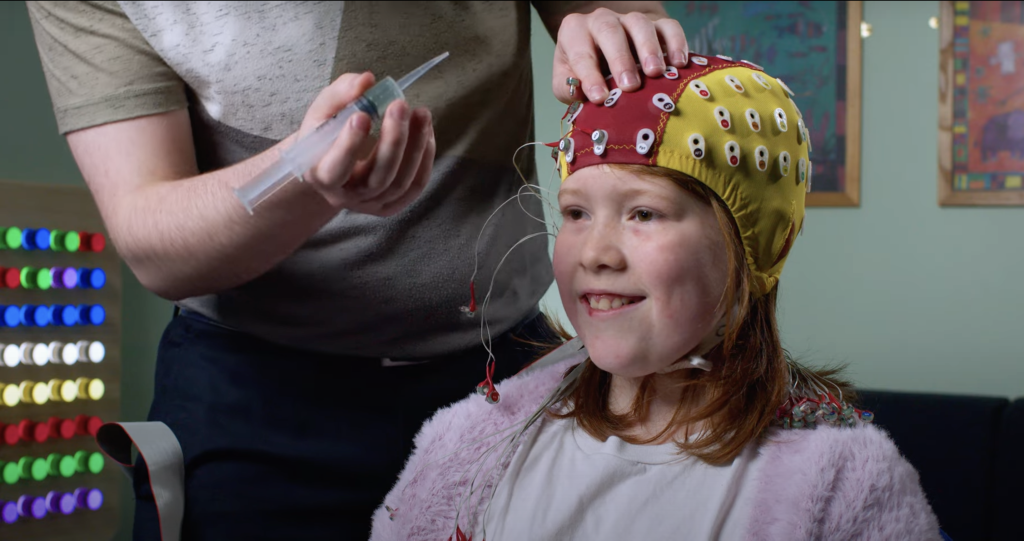
EEG is a safe and non-invasive way of measuring brain activity. Your child will wear a stretchy cap that has small sensors in it. These sensors pick up natural electrical signals from the brain (like a thermometer picks up body temperature). EEG does not hurt, and nothing goes into the head or body. We use EEG to better understand how children’s brains respond to sounds or visual information.
Paediatric Listening, Cognition and Neuroscience
The PELiCAN Lab is associated with
Lancaster University’s Infant and Child Development Lab.