How Our Graduates Shape Ethical Leadership in the Modern Workplace
Ethical leadership is more important than ever in today’s complex and rapidly evolving workplaces. Graduates from the Faculty of Humanities, Arts and Social Sciences (FHASS) are particularly well-equipped to lead with integrity, empathy and social responsibility — qualities that define effective and trusted leadership in the modern world.
What Is Ethical Leadership?
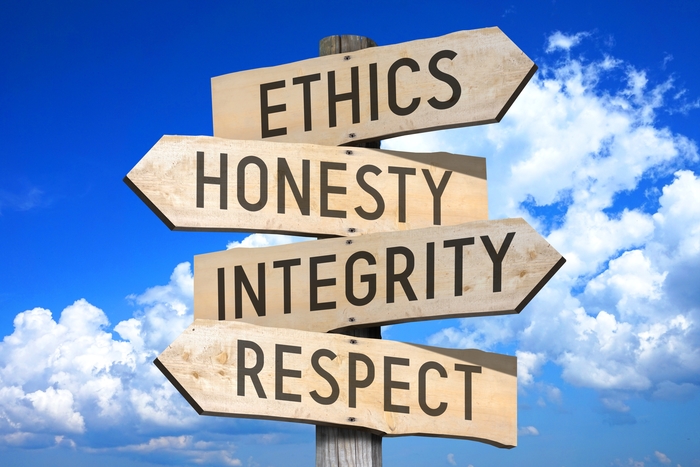
Ethical leadership involves guiding organisations and teams based on values such as honesty, fairness, respect, and accountability. It requires leaders to consider the wider impact of their decisions on employees, communities, and society, rather than focusing solely on short-term gains.
The FHASS Advantage: Why Humanities and Social Sciences Matter
Our disciplines offer deep insights into human behaviour, culture, history and society, which provide a strong foundation for ethical leadership. Through studying philosophy, ethics, sociology, politics and related fields, FHASS graduates develop:
- The ability to critically analyse moral and ethical dilemmas
- Awareness of social justice, equality and diversity issues
- An understanding of cultural contexts and global perspectives
- Skills in thoughtful communication and conflict resolution
These strengths enable graduates to navigate complex challenges with a principled approach and inspire trust in their teams and organisations.
Ethical Leadership in Practice
Our graduates can lead ethical workplaces by:
- Fostering inclusive environments that respect diverse voices and experiences
- Making transparent decisions and encouraging accountability
- Prioritising employee wellbeing and sustainable practices
- Challenging unethical behaviour and promoting fairness
- Encouraging open dialogue and ethical reflection at all levels
Building Your Ethical Leadership Skills
- Engage with real-world ethical issues through internships, volunteering or student societies
- Seek mentorship from leaders known for their integrity and values
- Reflect on your own values and how they align with your career goals
- Develop communication skills that support honest and respectful interactions
- Stay informed about current social and ethical debates relevant to your field
By bringing the perspectives and skills gained through FHASS studies, graduates are well-positioned to be the ethical leaders organisations need — leaders who can balance ambition with responsibility and drive positive change in the workplace and beyond.