
We are delighted to announce our confirmed keynote speakers:
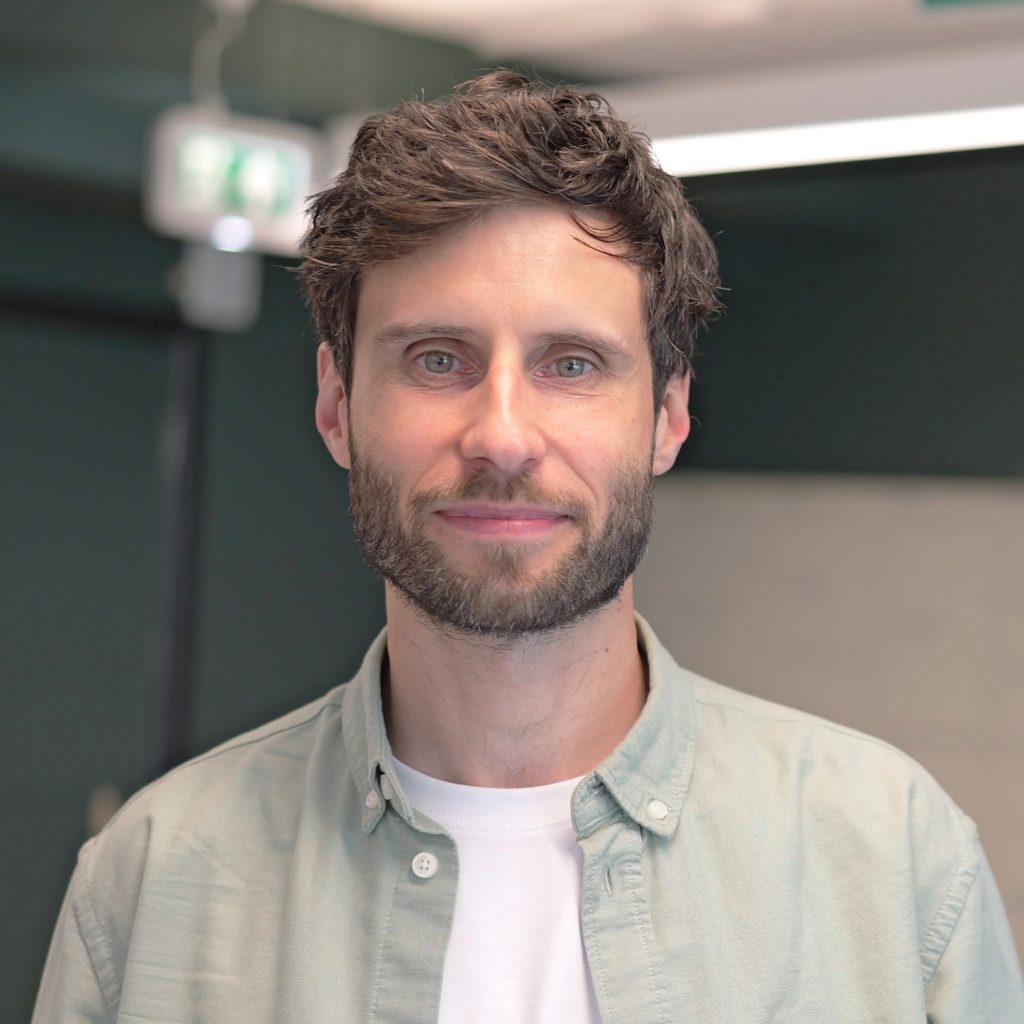
A new methodological synergy? Mixing CADS and experiments to investigate audience effects
In one of the seminal papers in corpus-assisted discourse studies (CADS), Baker et al. (2008) advocated for the integration of corpus linguistics and discourse analysis as a “useful methodological synergy”. Today, CADS is a thriving field with many applications across a range of domains, including mass media, healthcare, gender and sexuality discourses. However, while a CADS approach provides valuable insights into semantic, rhetorical, and ideological patterns in discourse, it alone cannot reveal how linguistic choices affect text consumers. In this talk, I argue that to examine the impact of discursive practices on individuals and society and enhance the explanatory potential of CADS research, we should
incorporate experiments into our methodology. I will support this argument by presenting the results of recent co-authored mixed-methods studies focusing on corporate discourse (Fuoli and Hart, 2018), online political blaming (Hansson et al., 2023), and computer-mediated interaction (Fuoli et al., in prep.).
References
Baker, P., Gabrielatos, C., Khosravinik, M., Krzyżanowski, M., McEnery, T., & Wodak, R. (2008). A useful methodological synergy? Combining critical discourse analysis and corpus linguistics to examine discourses of refugees and asylum seekers in the UK press. Discourse & Society, 19(3), 273-306.
Fuoli, M., & Hart, C. (2018). Trust-building strategies in corporate discourse: An
experimental study. Discourse & Society, 29(5), 514-552.
Fuoli, M., Wilding, E., & Wickert, A. (in prep.). Trusting strangers online: how language shapes behavior in an online trust game.
Hansson, S., Fuoli, M., & Page, R. (2023). Strategies of Blaming on Social Media: An Experimental Study of Linguistic Framing and Retweetability. Communication
Research, 51(5), 467-495.

Corpora and online discourse: The first vicennium
Twenty-odd years ago, at the dawn of a new millennium, a small, scattered and hopeful set of researchers began assembling corpora of online discourse and analysing them. Venturing into corpus study of the ‘social media’ of the time (though not yet widely called that), we were confronted by sticky challenges in ethics, privacy, and representativeness, and we were vexed in our corpus analysis efforts by the elevated (and novel) “noise” of computer-mediated interaction and expression. Some of these obstacles have since been tackled to varying degrees of success. More robust consent procedures and improved annotation software mean privacy and basic data handling are less problematic today. But difficulties persist – especially in defining and achieving true representativeness of social media discourse and managing multifaceted conversations that cross languages, modalities, and platforms. In hindsight those days represent a relative ‘age of innocence’ on the world wide web. New problems have arisen as online environments evolve for better or worse. Ephemeral communication, algorithmic curation, and multilingual multimodal exchanges all demand fresh approaches for corpus collection and analysis. Here I examine which issues have been (arguably) resolved, which seem to have resisted ‘easy’ solutions, and review what new hurdles have begun to vex those currently pushing the limits of possibility with corpora and online discourse. I will end by offering a critical summary for corpus-assisted discourse analysts seeking to document, interpret, and understand the fast-moving target of online discourse over the past two decades and into the next.
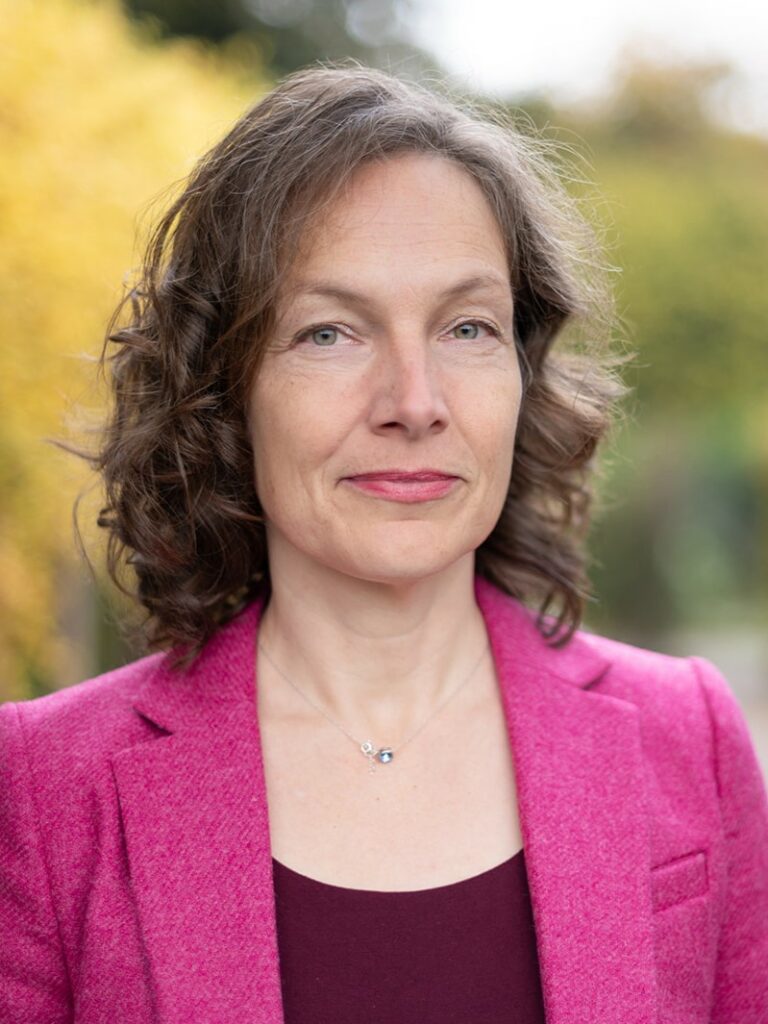
Michaela Mahlberg
Friedrich-Alexander-Universität Erlangen-Nürnberg, Germany
For Michaela’s bio, see here.
Discourses and Transdisciplinarity
Language is ubiquitous and discourses provide insights into every area of human experience. The study of corpus data – as evidence of human experience – opens up opportunities for working across disciplines. At the same time, engaging with research in other disciplines can challenge our own working practices and may take us out of our corpus linguistic comfort zone. In this talk, I will draw on examples from a number of case studies to consider how we can address discursive problems across disciplinary boundaries. The concept of ‘wicked problems’ that is used in environmental sciences, for instance, to describe extreme weather events such as floods and droughts, relates to the description of meanings across different discursive contexts. Also in digital humanities, approaches to literary and cultural history connect to work in corpus-assisted discourse studies, with the relationship sometimes being masked by different disciplinary terminology. The opportunities and challenges of working across disciplines are becoming even more complex through developments in AI that have put the spotlight on the ubiquity of language in an unprecedented way. Hence, it is even more important that we continue to develop our linguistic foundations, both theoretical and methodological foundations, to be able to address the range of discourses of human experience.
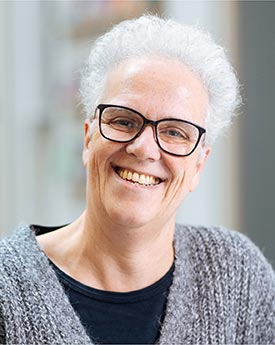
Using corpus-based discourse analysis to cross boundaries and build bridges
There is a long and growing tradition in the application of corpus linguistic methods to address questions and issues from outside linguistics and outside academia. In this talk I reflect on what I have learnt over the last decade by working with researchers from other disciplines and/or non-academic stakeholders on projects where corpus linguistics made an essential contribution. These projects concern specifically: public discourses on social care in the UK; the use of visual aids in specialist consultations about chronic pain; and the differences between clinical and non-clinical first-person accounts of voice-hearing. I discuss the challenges and frustrations, alongside the opportunities and rewards, of doing such work. Overall, I suggest that expertise in corpus linguistics puts us in an ideal position to cross boundaries and build bridges between disciplines, and between academia and the rest of society. I also hope to spark a discussion about how we can best continue to do this kind of work in the challenging times ahead, with the growth of generative AI and, at least in the UK and some other countries, the combination of impact agendas and financial crises in the University sector.