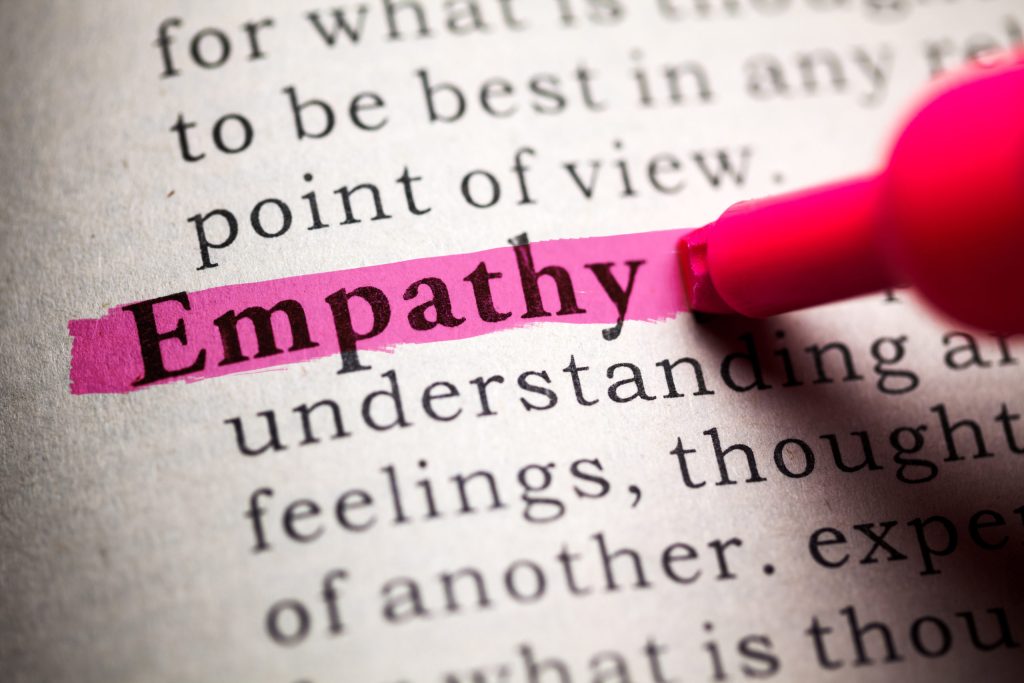
Empathy as a Workplace Superpower: Lessons from Social Sciences
Empathy, the ability to understand and share the feelings of others, is often overlooked in discussions about career skills. Yet for students and graduates from the Faculty of Humanities, Arts and Social Sciences (FHASS), empathy is a crucial strength that can transform workplaces and stand you apart from other candidates.
Why Empathy Matters in the Workplace
In today’s interconnected and diverse work environments, empathy enables better communication, stronger relationships, and more effective teamwork. It helps individuals:
- Navigate conflicts with sensitivity
- Build trust and rapport with colleagues and clients
- Respond thoughtfully to different perspectives and needs
- Foster inclusive and supportive organisational cultures
Employers increasingly recognise that empathy drives employee wellbeing, customer satisfaction and innovation. It’s not just a ‘soft skill’ it’s a business asset.
What Social Sciences Teach Us About Empathy
The social sciences provide deep insights into human behaviour, social structures and cultural contexts. Through these studies, our students learn to:
- Appreciate diverse lived experiences and worldviews
- Understand the impact of social factors on individual behaviour
- Recognise implicit biases and systemic inequalities
- Apply ethical considerations to interpersonal and professional situations
This knowledge forms the foundation of empathetic engagement in both personal and professional settings.
How to Cultivate Empathy in Your Career
- Listen Actively: Give full attention, avoid interrupting, and reflect back what you hear to ensure understanding.
- Ask Open Questions: Encourage others to share their thoughts and feelings without judgement.
- Be Mindful of Differences: Consider cultural, social and individual factors that shape experiences and viewpoints.
- Practice Self-Awareness: Recognise your own emotions and biases to respond thoughtfully rather than reactively.
- Use Empathy to Guide Decisions: Think about how your choices affect colleagues, customers and wider communities.
Empathy in Action: Real Workplace Benefits
By applying empathy, FHASS graduates contribute to:
- More collaborative and motivated teams
- Effective leadership that values and supports employees
- Conflict resolution that preserves relationships
- Enhanced customer service and client relations
- Organisations that prioritise wellbeing and diversity
For FHASS students, empathy is far more than an abstract concept, it’s a workplace superpower that can drive meaningful connections and career success. Embracing the lessons of social sciences helps you bring this strength into every professional environment you enter.