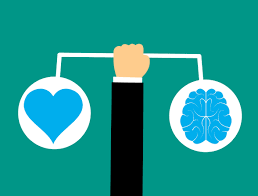
Building Emotional Intelligence for the Workplace
Emotional intelligence (EI) is increasingly recognised as a vital skill in the workplace, especially in roles within the humanities, arts, and social sciences where understanding and navigating human behaviour is key. For students in the Faculty of Humanities, Arts and Social Sciences (FHASS), developing emotional intelligence can enhance your professional relationships, improve decision-making, and boost your career progression.
What is Emotional Intelligence?
Emotional intelligence is the ability to recognise, understand, and manage your own emotions, while also recognising and influencing the emotions of others. It goes beyond IQ and technical skills, shaping how you interact with colleagues, respond to challenges, and handle workplace stress.
The concept is often broken down into five core components:
- Self-awareness: Knowing your emotions and how they affect your thoughts and behaviour.
- Self-regulation: Managing your emotions healthily and constructively.
- Motivation: Harnessing emotions to pursue goals with energy and persistence.
- Empathy: Understanding and considering the feelings of others.
- Social skills: Building and maintaining healthy relationships.
Why is Emotional Intelligence Important at Work?
Employers highly value emotional intelligence because it supports teamwork, leadership, and adaptability — all critical in today’s fast-changing work environments. High EI helps you navigate conflicts, communicate effectively, and foster a positive working atmosphere.
For FHASS graduates, whose careers often involve collaboration, research, or client interaction, emotional intelligence is a powerful asset that complements your academic knowledge.
How to Develop Your Emotional Intelligence
The good news is that emotional intelligence can be developed with practice. Here are some practical steps:
- Reflect on Your Emotions: Regularly pause to consider how you’re feeling and why. Keeping a journal can help you identify patterns and triggers.
- Practice Mindfulness: Techniques like mindful breathing or meditation improve self-awareness and emotional regulation.
- Seek Feedback: Ask trusted friends, peers or mentors how they perceive your emotional responses and interactions.
- Improve Your Listening Skills: Active listening shows empathy and helps you understand others’ perspectives better.
- Manage Stress Effectively: Find healthy ways to cope with stress, such as exercise or hobbies, to avoid emotional outbursts.
- Observe Others: Pay attention to how emotionally intelligent people handle situations and try to emulate their behaviours.
Using Emotional Intelligence to Boost Your Career
Demonstrating strong emotional intelligence can help you in:
- Interviews: Showing self-awareness and empathy can create a positive impression.
- Teamwork: Navigating group dynamics smoothly and resolving conflicts constructively.
- Leadership: Inspiring and motivating others while managing your own emotions.
- Networking: Building genuine connections based on understanding and respect.
By investing time in developing your emotional intelligence, you equip yourself with a versatile skill that supports both your personal and professional growth. This can open doors to opportunities and help you build a fulfilling career after your time at FHASS.